



Malta is a small EU island nation in the Mediterranean offering internationally accredited, English-taught university degrees at a fraction of Western European costs. International students can enroll in Bachelor’s, Master’s, or PhD programs at institutions like the University of Malta or accredited private colleges, with tuition typically ranging from €6,000–€15,000/year and monthly living costs between €700–€1,100. The application process requires academic transcripts, English proficiency proof, and a valid student residence permit.
Apply Now — Start Your Journey in Malta →
Why Choose Malta for Higher Education?
Malta is a full European Union member state, which means degrees earned here carry EU recognition and open doors across 27 countries. Yet tuition fees and living costs are dramatically lower than in the UK, Ireland, Germany, or the Netherlands — making it one of the most cost-effective routes to a European credential.
Malta Offers EU-Recognized Degrees at Accessible Costs
A degree from a MFHEA-accredited Maltese institution is recognized by employers and universities across the EU. Graduates can use their qualifications to work, pursue further education, or emigrate within the Schengen Area without additional verification.
Tuition at Maltese universities typically ranges from €6,000 to €15,000 per academic year for international students — compared to €20,000–€50,000+ in the UK or Germany. For students seeking a legitimate European qualification without the Western European price tag, Malta is a rational and increasingly popular choice.
English Is an Official Language
Malta has two official languages: Maltese and English. All university programs are taught in English. You will not need to learn a new language to study, socialize, or navigate daily life — a significant advantage for students coming from countries where English is the primary academic language.
Strategic Mediterranean Location
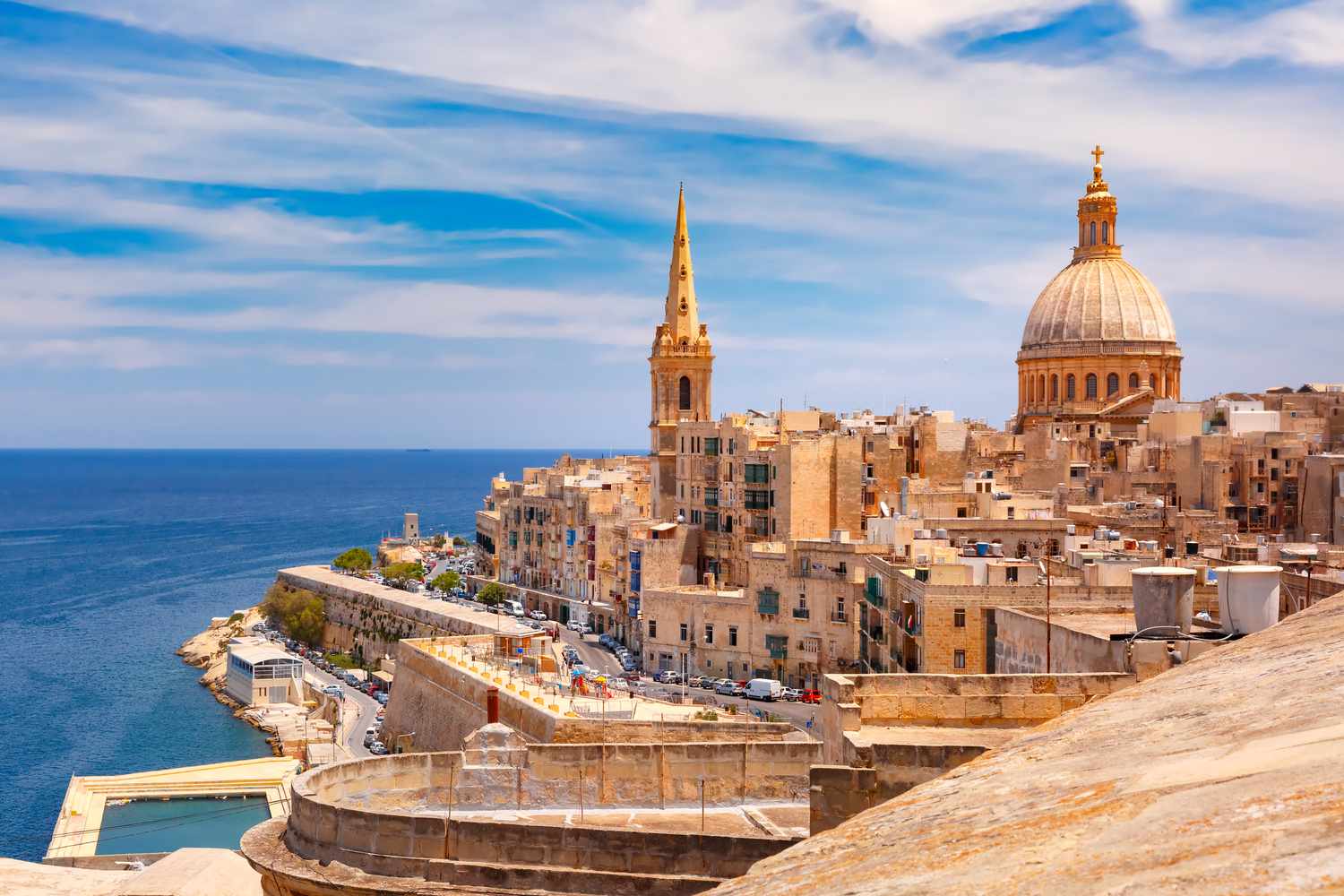
Malta sits at the crossroads of Europe and North Africa, making it easily accessible from most international airports via budget carriers. Students benefit from warm weather year-round, a rich historical environment, and a safe, compact country where everything is within a short drive.
Top Universities and Institutions in Malta
University of Malta
The University of Malta is the island’s main public university and one of the oldest universities in the Mediterranean world, founded in 1592. It offers programs across arts, sciences, engineering, law, medicine, IT, business, and social sciences — at both undergraduate and postgraduate levels.
- Nationally and internationally accredited
- Member of multiple European university networks
- Programs taught in English
- Offers research degrees (MPhil, PhD)
- Home to approximately 11,000 students, including a growing international cohort
Private and Specialist Institutions
Malta also hosts a growing number of accredited private institutions offering focused programs in business, hospitality, digital marketing, aviation, and gaming. These institutions are regulated by the Malta Further and Higher Education Authority (MFHEA), ensuring quality assurance. Notable private institutions include MCAST (Malta College of Arts, Science and Technology) and various internationally affiliated colleges offering pathway and degree programs.
How to Apply: Step-by-Step Process
Applying to study in Malta is straightforward — but the process requires careful preparation. Here is the standard pathway for international students.
- Choose Your Program — Browse degree programs on the University of Malta’s online portal or through accredited private institutions. Confirm the program is MFHEA-recognized and delivered in English.
- Check Entry Requirements — Each program has specific academic requirements: secondary school leaving certificate or equivalent (for Bachelor’s), Bachelor’s degree transcript (for Master’s), and English proficiency: IELTS 6.0+ or TOEFL 80+.
- Prepare Your Documents — Certified academic transcripts, passport copy, English proficiency certificate, personal statement, two reference letters, and proof of financial means.
- Submit Your Application — Apply directly through the institution’s admissions portal. The University of Malta opens applications in early spring for the October intake.
- Receive Your Offer Letter — If accepted, you will receive a conditional or unconditional offer letter, which is required for your visa application.
Discover Your Program in Malta — Apply Today
Malta Student Visa and Residence Permit
Non-EU/EEA students require a student residence permit to study in Malta for more than 90 days. EU/EEA/Swiss citizens can enroll and reside without a visa but must register with Maltese authorities.
Requirements for Non-EU Students
- Valid passport (minimum 6 months’ validity beyond your stay)
- Confirmed acceptance letter from an MFHEA-registered institution
- Proof of sufficient financial means (typically €6,000+ per year)
- Proof of health insurance coverage valid in Malta
- Proof of accommodation in Malta
- Completed residence permit application form
- Recent passport-size photographs
- Application fee (approximately €27.50)
Application Timeline
Submit your residence permit application to Identity Malta as soon as you receive your offer letter. Processing times range from 4 to 8 weeks. Plan to begin the process at least 3–4 months before your program start date to account for document preparation and any delays.
Tuition Fees, Living Costs, and Scholarships
Tuition Fee Ranges (2025)
| Level | Public University | Private Institutions |
|---|---|---|
| Bachelor’s | €6,000–€9,500/year | €8,000–€13,000/year |
| Master’s | €7,000–€12,000/year | €9,000–€15,000/year |
| PhD (research) | €5,000–€8,000/year | Varies |
Monthly Living Cost Estimate
| Expense | Est. Monthly Cost |
|---|---|
| Shared apartment (rent) | €350–€550 |
| Groceries | €150–€220 |
| Transport | €26 (student bus pass) |
| Utilities & internet | €60–€90 |
| Leisure & dining out | €100–€200 |
| Total | €686–€1,060/month |
Scholarships for International Students
- Erasmus+ Exchange — EU-funded mobility grants for students at partner universities
- University of Malta Bursaries — Merit-based and need-based bursaries for enrolled students
- Commonwealth Scholarships — Available for eligible Commonwealth nationals
- Malta Government Scholarship Scheme (MGSS) — Supports postgraduate study in specific fields
- Institutional Grants — Many private colleges offer early-application discounts of 10–25%
Student Life in Malta: What to Expect
Accommodation Options
Most international students choose from university halls of residence (limited spaces — apply early), private shared apartments in Msida, St. Julian’s, Sliema, or Valletta, or homestays arranged through university housing offices. Monthly rent for a room in a shared apartment ranges from €350–€550 depending on location and amenities.
Culture, Community, and Safety
Malta is consistently ranked as one of the safest countries in Europe. The student community is international by nature — the University of Malta hosts students from over 90 countries. You will find cultural events, student unions, sports facilities, and a thriving café culture centred around the historic capital Valletta. The Mediterranean climate — 300+ days of sunshine per year — and immediate access to beaches and UNESCO World Heritage sites make Malta an unusually rich environment for student life.
5 Tips for International Students Planning to Study in Malta
- Apply early. The University of Malta’s most competitive programs fill quickly. Submit applications before the March deadline for October intake.
- Sort your finances before arrival. Open a Maltese bank account within the first two weeks — most landlords and utilities require a local account.
- Use the student bus pass. Malta’s Tallinja student card costs €26/month for unlimited bus travel across the island.
- Join the university’s international student network. The KSU and international office run orientation events specifically for new international students.
- Explore scholarship options before you apply. Most bursaries and institutional grants have deadlines 6–9 months before your program start date.
Final Thoughts
Studying in Malta gives international students something rare: a genuine European academic credential, in a fully English-speaking environment, at a cost that is genuinely accessible. The island’s EU membership, safety, climate, and growing international student community make it one of the most well-rounded study destinations available.
Ready to Study in Malta? Submit Your Application →
Frequently Asked Questions
Can international students work while studying in Malta?
Non-EU international students holding a valid student residence permit are permitted to work part-time — up to 20 hours per week during term time, subject to the terms of your permit and your institution’s policies.
Is the University of Malta recognized internationally?
Yes. The University of Malta is accredited by the Malta Further and Higher Education Authority (MFHEA) and holds membership with the European University Association (EUA). Degrees are recognized across all EU member states.
What English language score do I need to study in Malta?
Most programs require IELTS 6.0 or TOEFL iBT 80 as a minimum. Some postgraduate programs require IELTS 6.5+. Students from countries where English is the official medium of instruction may be exempt.
How long does it take to get a student residence permit in Malta?
Processing through Identity Malta typically takes 4–8 weeks from the date of submission. Apply as soon as you receive your offer letter to avoid delays before your program start date.
What is the cost of living in Malta for a student?
A realistic student budget is €800–€1,060/month, covering shared accommodation (€350–€550), groceries (€150–€220), transport (€26 with student pass), utilities, and leisure. Malta is significantly cheaper than Western European capitals.
When should I apply to study in Malta?
For October intake (the standard academic year start), applications typically open in January–March. For programs with limited spaces, applying as early as possible in the cycle is strongly recommended.
Are there scholarships available for international students in Malta?
Yes. Available funding includes Erasmus+ grants, University of Malta bursaries, the Malta Government Scholarship Scheme (MGSS), Commonwealth Scholarships, and institutional early-application discounts. Most scholarships have deadlines 6–9 months before program start.
Is Malta safe for international students?
Malta ranks among the top 10 safest countries in the EU. Violent crime rates are extremely low and international students regularly report feeling safe in residential areas, on public transport, and on campus.