


If you want to study English in Malta, you are probably looking for three things at once: a good English course, a destination that feels exciting but manageable, and clear support with visas, accommodation, and the application process. Malta is one of Europe’s most popular places to learn English because English is an official language, the island is international, and students can combine classroom learning with daily real-life practice.
For many students, Malta is also easier to imagine than larger destinations such as the UK, Ireland, Canada, or Australia. It is compact, sunny, well connected to Europe, and full of language schools that welcome international students throughout the year.
Ready to compare courses and get step-by-step help? Apply to study English in Malta with OutreachStudy and our team will help you choose the right option.
Table of Contents
- Why study English in Malta?
- Who is Malta best for?
- Types of English courses in Malta
- How to choose the right English school
- How much does it cost to study English in Malta?
- Accommodation options for students
- Malta student visa basics
- Best places to study English in Malta
- How OutreachStudy helps you apply
- FAQ
Why Study English in Malta?
Malta has built a strong reputation as an English study destination because it combines language learning with a student-friendly lifestyle. English is widely used in education, business, tourism, and everyday services, which means students can practise beyond the classroom.
The country is especially attractive for students who want:
- English immersion in Europe
- A warmer climate than the UK or Ireland
- Short-term and long-term course options
- International classmates from many countries
- Flexible start dates throughout the year
- A smaller destination that is easier to navigate
Malta also has a regulated English language teaching sector. The ELT Council Malta oversees standards for English language teaching, and organizations such as FELTOM represent accredited English language schools. This matters because students should choose a licensed school, not only the cheapest offer.
If you are still comparing destinations, start with our full study in Malta guide before choosing your course.
Who Is Malta Best For?
Malta can work well for many types of international students, but it is especially strong for students who want practical communication skills.
Beginners and Intermediate Learners
If you need more confidence speaking English, Malta gives you daily opportunities to practise. You can use English in class, in shops, in cafes, on public transport, and during activities with other students.
Students Preparing for University or Work
Many students choose Malta before starting higher education, applying for jobs, or preparing for an international move. A focused English course can help with speaking, listening, writing, and academic confidence.
Professionals
Business English and intensive courses can suit professionals who want to improve workplace communication, presentations, meetings, emails, and interviews.
Students Who Want a Balanced Lifestyle
Malta is not only about studying. Students often choose it because they can enjoy the sea, historic cities, international events, and weekend activities while improving English.
Types of English Courses in Malta
Most English schools in Malta offer several course types. The best choice depends on your level, budget, goals, and how quickly you want to improve.
General English
General English is the most common option. It usually focuses on speaking, listening, reading, writing, grammar, vocabulary, and everyday communication.
This course is good if you want to:
- Improve overall English level
- Build confidence in conversation
- Study for several weeks or months
- Balance lessons with free time
Intensive English
Intensive English includes more weekly lessons than a standard course. It is useful if you have limited time or want faster progress.
Choose intensive English if you:
- Need rapid improvement
- Have a clear deadline
- Want more classroom practice
- Prefer a structured schedule
Business English
Business English is designed for students and professionals who need English for work. Lessons may include meetings, presentations, negotiations, emails, and professional vocabulary.
Exam Preparation
Some students study English in Malta to prepare for IELTS, Cambridge exams, or other language tests. Exam preparation courses can be helpful if you need a specific score for university, immigration, or professional purposes.
One-to-One Lessons
Private lessons are more expensive but highly focused. They can be useful if you have a specific weakness, such as pronunciation, academic writing, interview practice, or business communication.
You can compare course options in our English courses in Malta page.
How to Choose the Right English School in Malta
Choosing a school is not only about the weekly price. A cheaper course may not be the best value if the location, timetable, class size, or support services do not match your needs.
Before applying, check these points:
- Is the school licensed or accredited?
- What levels are available?
- How many students are usually in each class?
- Does the school offer a placement test?
- Are course materials included?
- Is there an end-of-course certificate?
- Does the school help with visa documents?
- What accommodation options are available?
- Is the location convenient for transport and daily life?
It is also important to match the school to your personality. Some students prefer a large, social school with many activities. Others prefer a quieter environment with smaller classes and more personal attention.
How Much Does It Cost to Study English in Malta?
The cost to study English in Malta depends on course intensity, season, accommodation type, and lifestyle. Summer is often more expensive because demand is higher. Longer courses may have better weekly rates.
Typical cost categories include:
- Course tuition
- Registration fee
- Course materials
- Accommodation
- Airport transfer
- Visa-related costs if applicable
- Health insurance
- Food and groceries
- Transport
- Personal spending
As a general planning range, many students should prepare for a monthly budget that includes both course and living costs. The exact amount depends heavily on whether you choose shared accommodation, a host family, a private room, or a more independent apartment.
Budget Tips for Students
You can reduce costs by:
- Studying outside peak summer months
- Booking a longer course
- Choosing shared accommodation
- Cooking some meals at home
- Using public transport
- Comparing several school options before applying
For a deeper budget breakdown, read our cost of studying in Malta guide.
Accommodation Options for English Students in Malta
Accommodation can have a major impact on your student experience. The right choice depends on your budget, independence, and comfort level.
Student Residence
Student residences are popular because they make it easy to meet other students. They can be a good choice if you want a social environment and a simple setup.
Shared Apartment
Shared apartments are common for longer stays. They give students more independence, but you should check location, transport, bills, and contract conditions carefully.
Host Family
A host family can be useful if you want more English practice and a supportive home environment. It may also include meals, depending on the package.
Private Studio or Apartment
Private accommodation gives more privacy but usually costs more. It may be suitable for professionals, couples, or students who need a quiet study environment.
Before booking, compare travel time to school, included bills, kitchen access, laundry, Wi-Fi, deposit rules, and check-in arrangements. Our student accommodation in Malta page can help you compare options.
Malta Student Visa Basics
Visa rules depend on your nationality and course length. EU citizens have different rules from third-country nationals, and visa-exempt students may still need to apply if they plan to study for longer periods.
For many non-EU students:
- Courses not exceeding 90 days may fall under short-stay Schengen visa rules.
- Courses exceeding 90 days usually require a national long-stay visa.
- Students should prepare documents carefully before booking travel.
- Visa procedures and requirements can change, so always check official guidance.
Identita provides official information for student visas, including separate guidance for courses not exceeding 90 days and courses exceeding 90 days. It also publishes information about employment conditions for eligible students. For example, some students following courses longer than 90 days may be allowed to work up to 20 hours per week after meeting specific conditions, but this is subject to official rules.
Because visa mistakes can delay your plans, do not rely only on social media advice. Read our Malta student visa guide and confirm your personal situation before applying.
Need help checking your course, visa path, and documents? Start your study English in Malta application and our team will guide you through the next steps.
Best Places to Study English in Malta
Malta is small, but location still matters. Your school area affects your commute, accommodation choices, social life, and daily budget.
Sliema
Sliema is one of the most popular areas for international students. It has shops, cafes, seafront walks, transport connections, and many accommodation options.
St Julian’s
St Julian’s is known for restaurants, nightlife, and a busy international atmosphere. It can suit students who want a lively social experience.
Valletta
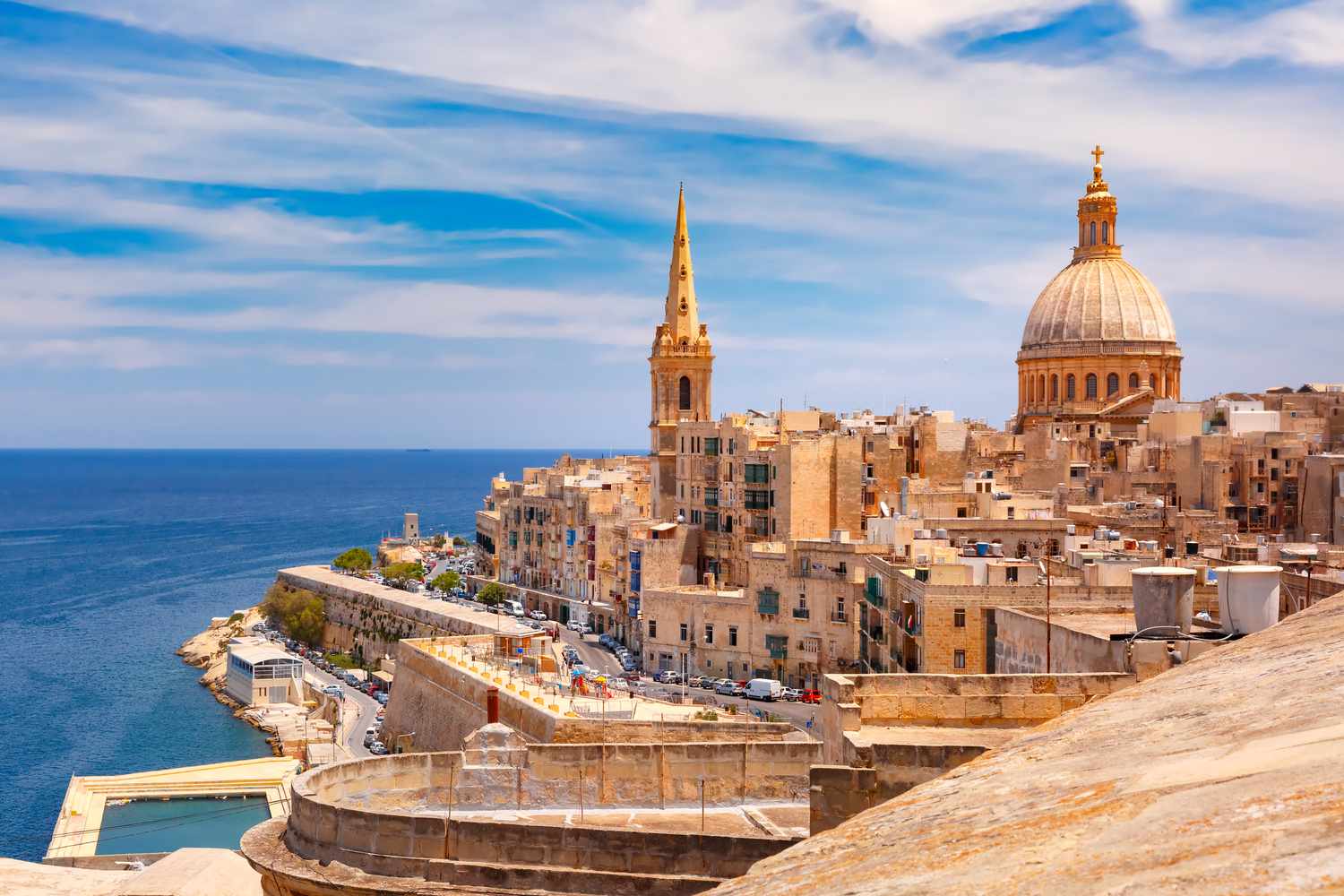
Valletta is Malta’s capital and a UNESCO World Heritage city. It is a good area for students who enjoy history, culture, and strong transport links.
Gzira and Msida
These areas can be practical for students looking for more affordable accommodation while staying close to Sliema, Valletta, and major bus routes.
Gozo
Gozo is quieter and more relaxed. It can suit students who prefer a slower pace, nature, and a smaller community feel.
How Long Should You Study English in Malta?
Your ideal course length depends on your starting level and goal. A short course can improve confidence, but deeper progress usually needs more time and consistent practice.
A simple guide:
- 2 to 4 weeks: best for a language boost and travel experience
- 8 to 12 weeks: better for noticeable improvement
- 3 to 6 months: stronger option for serious progress
- 6 months or more: suitable for students preparing for higher education, work, or major life plans
Students who want a major level change should think beyond the classroom. Progress comes from attending lessons, doing homework, speaking daily, joining activities, and avoiding the habit of only socializing in your native language.
Common Mistakes to Avoid
Many students make decisions too quickly because they focus only on price or photos. A good application should consider the full student journey.
Avoid these mistakes:
- Choosing a school only because it is the cheapest
- Ignoring visa timelines
- Booking accommodation far from school without checking transport
- Underestimating food and personal spending
- Applying too late during busy seasons
- Not checking cancellation and refund conditions
- Choosing the wrong course intensity
- Arriving without health insurance or required documents
The better approach is to compare course, accommodation, visa, and budget together. That is exactly where expert guidance can save time.
How OutreachStudy Helps You Apply
OutreachStudy helps international students move from interest to enrollment with a clearer process. Instead of contacting multiple schools alone and trying to understand every requirement from scratch, you can get support from people who understand the student journey.
Our support can include:
- Understanding your goals and English level
- Recommending suitable English course options
- Comparing school locations and budgets
- Explaining accommodation choices
- Helping you prepare an application checklist
- Guiding you toward visa information and document planning
- Supporting you before enrollment
Parents can also benefit from this process because it gives more clarity on safety, costs, accommodation, and student support.
You may also want to read our student testimonials and compare universities and colleges in Malta if you plan to continue into higher education later.
Final Advice Before You Apply
Malta can be an excellent place to learn English, but your experience depends on choosing the right course, school, accommodation, and timeline. A good plan should answer four questions before you pay any deposit:
- Which course matches my current level and goal?
- Which school location fits my lifestyle and budget?
- What visa or travel documents do I need?
- What is my realistic monthly budget?
If you answer those questions clearly, you will be in a much stronger position to enjoy Malta and make real progress in English.
Take the next step today: apply to study English in Malta and get support choosing the right course, school, and application path.
FAQ
Is Malta a good place to study English?
Yes. Malta is a strong English study destination because English is an official language, the country has many international students, and learners can practise English in daily life as well as in class.
How much does it cost to study English in Malta?
Costs vary by course, season, accommodation, and lifestyle. Students should budget for tuition, registration fees, accommodation, food, transport, insurance, and personal spending. Shared accommodation and off-season study can reduce the total cost.
Do I need a visa to study English in Malta?
It depends on your nationality and course length. Non-EU students may need a short-stay visa for courses up to 90 days or a national long-stay visa for longer courses. Always check official guidance before applying.
Can international students work while studying English in Malta?
Some students may be allowed to work under specific conditions, including course length and official permission rules. Identita states that certain eligible students may work up to 20 hours per week after meeting the relevant conditions, but rules can change.
What is the best English course in Malta?
The best course depends on your goal. General English is good for overall improvement, intensive English is better for faster progress, Business English suits professionals, and exam preparation is best for students who need a specific score.